Why Mulch Matters: Benefits, Prices, and Best Practices
Mulch is the cheapest upgrade your garden beds will ever get. Here is what it really does, what it costs in 2026, and the one mistake that kills trees.
The Cheapest Upgrade Your Garden Will Ever Get
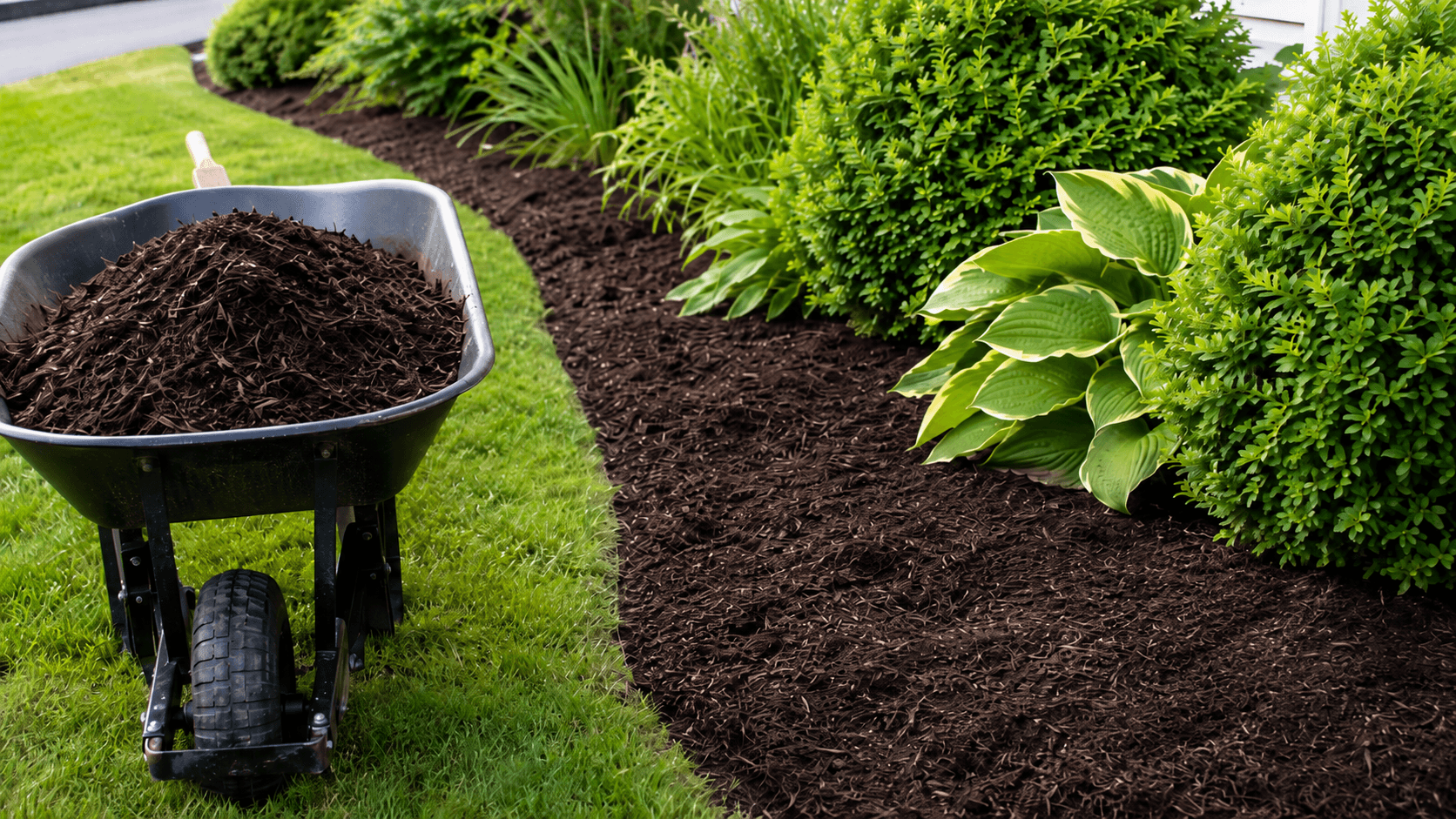
If you are watering your beds every second day in July and still pulling weeds every weekend, your garden is probably missing one thing. Mulch. A $200 load of mulch, spread properly, cuts your watering, chokes out weeds, and makes every bed look finished. Few things in landscaping give back this much for this little money.
What Mulch Actually Does
- Holds moisture. Landscape Ontario notes that mulched soil can hold up to 70 per cent more water. That means far less hose time in August.
- Blocks weeds. A proper layer stops most weed seeds from ever seeing sunlight.
- Steadies soil temperature. Roots stay cooler through July heat and better protected through January freezes.
- Feeds the soil. Natural mulch breaks down into organic matter, which slowly loosens the heavy clay we garden in around Halton Region.
Types and 2026 Prices in Ontario
Bulk prices per cubic yard from local supply yards look like this:
- Hardwood: $30 to $50. The workhorse. Good colour, and it breaks down into great soil.
- Pine and pine bark: $40 to $60. Light, slightly acidic, nice under evergreens.
- Shredded cedar: $45 to $75. Smells great, lasts the longest, and resists insects.
- Dyed black or brown: $45 to $65. Holds its colour for two seasons or more.
Delivery adds $50 to $150 depending on distance. Bagged mulch runs $5 to $8 for a 2 cubic foot bag, which is fine for a small touch-up but costs two to three times more per yard. If you want it spread for you, most crews charge an extra $20 to $50 per yard.
The 2 to 3 Inch Rule, and the Volcano Mistake
Depth matters more than type. Spread 2 to 3 inches. Less than 2 inches will not stop weeds. More than 4 inches can smother roots and hold too much water against plant stems.
And please, no mulch volcanoes. Piling mulch in a cone against a tree trunk traps moisture on the bark, invites rot and insects, and slowly kills the tree. Keep mulch 3 to 4 inches away from the trunk so the root flare can breathe. Think flat donut, not volcano.
When to Mulch, and How Much to Order
The two best windows in southern Ontario are late spring, once the soil has warmed up, and fall, when a fresh layer insulates roots for winter. We top up most client beds as part of seasonal maintenance.
The math is simple. One cubic yard covers about 100 square feet at 3 inches deep. Measure length times width for each bed and add them up:
- Front bed: 25 ft x 4 ft = 100 sq ft, so 1 yard.
- Back border: 40 ft x 5 ft = 200 sq ft, so 2 yards.
- Total: 3 yards, roughly $150 to $250 delivered.
Starting from scratch instead? Our flower bed creation service covers soil prep, planting, and mulch in one visit, and our post on simple flower bed design walks through layout.
Want Beds That Take Care of Themselves?
Mulching is easy to do and even easier to do wrong. If you would rather spend your Saturday another way, we can help. Contact us for a free estimate, or price your whole project in two minutes with our online cost calculator.
Ready to Start Your Project?
Get a free, no-obligation estimate from our experienced team. We serve Oakville, Burlington, Mississauga & surrounding areas.
More Articles
Fall Yard Cleanup Checklist: Preparing Your Landscape for an Ontario Winter
Snow mold, burst pipes, and rabbit chewed trees all trace back to fall jobs that got skipped. Here is the exact order we follow, with dates that work for Ontario.
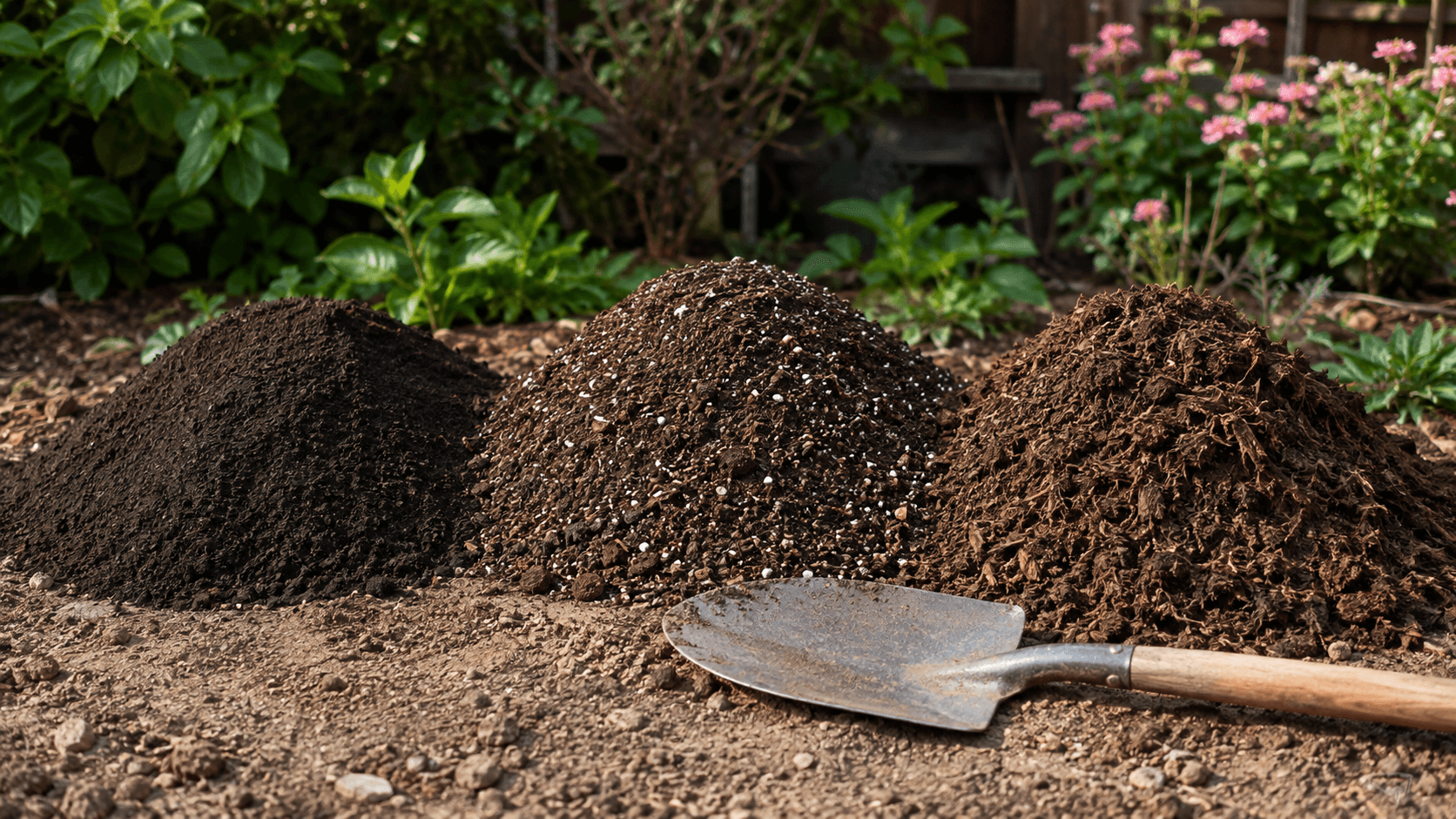
Topsoil, Triple Mix, and Compost: What Is the Difference and How Much Do You Need?
Three products, three different jobs. Plain definitions, a simple cubic yard formula, and honest 2026 Ontario prices for bags versus bulk delivery.

Yard Grading and Leveling: Why It Matters and What It Costs
Grading is the invisible job that decides where every drop of rain ends up. Learn the 2 percent rule, the warning signs, and what regrading costs in Ontario in 2026.