How Long Does a Deck Last? Lifespan of Pressure-Treated, Cedar, and Composite
The same deck can fail at year 8 or thrive at year 20. Here are honest lifespan numbers for pressure-treated, cedar, and composite decks in Ontario, and the habits that decide which side you land on.
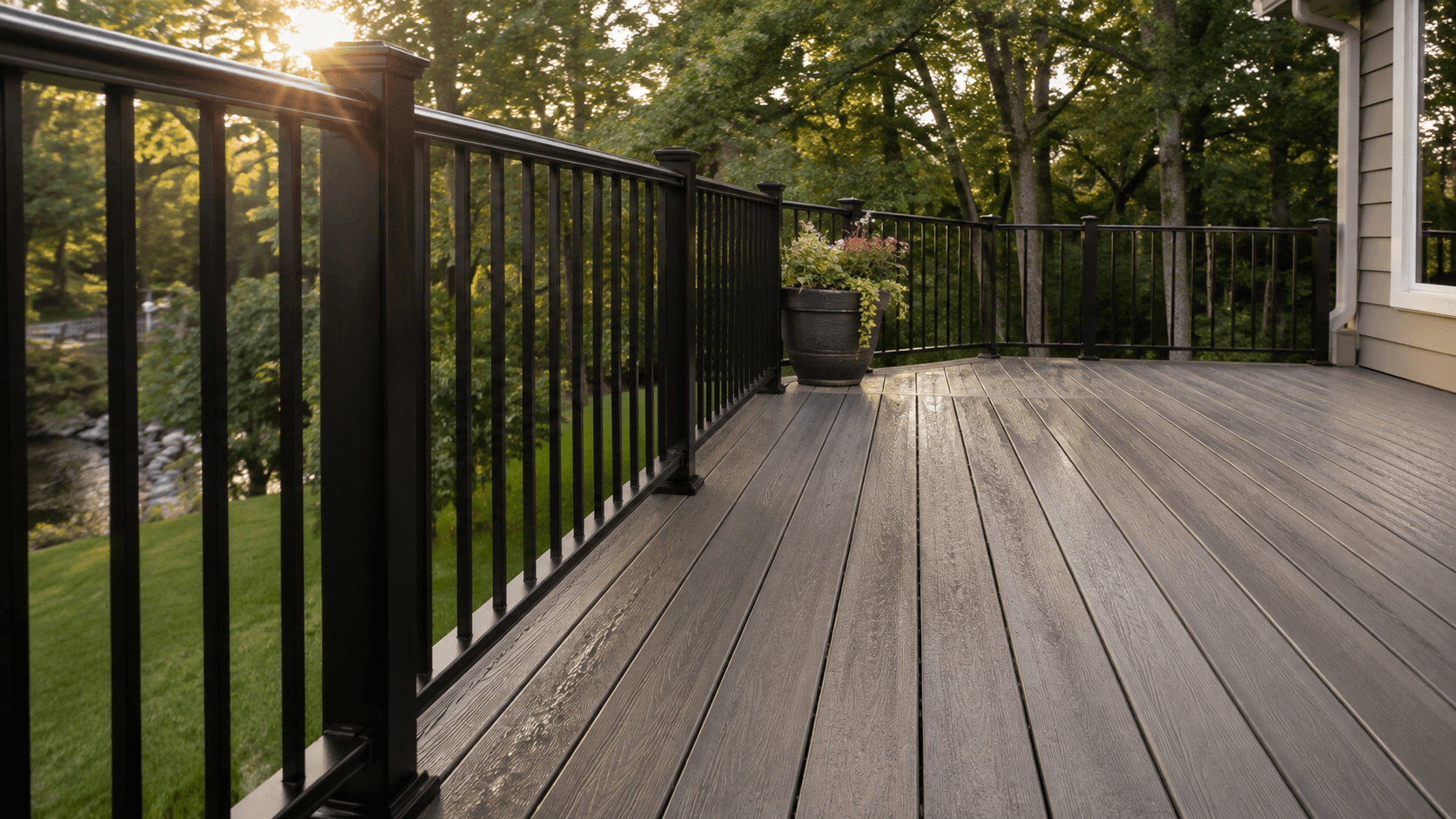
The Short Answer
You are pricing a new deck, and one question decides everything: how long will it last? In southern Ontario, with our freeze-thaw winters, here are honest numbers:
- Pressure-treated wood: 10 to 15 years for most decks. Careful owners who seal every 2 to 3 years can stretch that toward 20.
- Cedar: 15 to 20 years, and up to 25 with regular staining. Cedar resists rot naturally, but it still needs protection.
- Composite: 25 to 30 years or more. Major brands stand behind that claim. Trex warranties run 25 to 50 years depending on the product line.
Those ranges are not fixed. The same deck can die at year 8 or look great at year 20. The difference is our weather, and how you fight it.
What Kills Ontario Decks Early
- Freeze-thaw cycles. Water enters small cracks, freezes, and pries the wood apart. This happens dozens of times every winter.
- Snow that sits all season. A snow blanket keeps boards wet for months. Wet wood rots, and wet fasteners rust.
- No sealing. Bare wood drinks water like a sponge. Skipping stain for five years can cut a wood deck's life almost in half.
- Ground contact. Posts or beams touching soil pull up moisture non-stop. This is where we find the worst rot on old decks.
- Shallow footings. Footings must sit below the frost line, about 4 feet down in our area. Shallow pads heave every winter and slowly tear the frame apart.
What Adds Years to Any Deck
- Seal wood every 2 to 3 years. One weekend of work buys years of life. Do it when water stops beading on the boards.
- Clear snow with a plastic shovel. Shovel along the boards, not across them, and skip the metal blade and the salt.
- Sweep leaves and debris. Wet leaves trap moisture in the gaps between boards. Clear them each fall.
- Fix small problems fast. One loose board today is one rotten joist in three years.
- Build it right the first time. Deep footings, proper flashing at the house, and coated hardware matter more than the brand of board. That is the core of good deck construction.
When Age Alone Means Replacement
Even a deck that looks fine grows weaker with age. Wood fibres break down, fasteners corrode where you cannot see them, and building standards keep improving. Our rule of thumb: once a wood deck passes 15 years, inspect the frame every year. Past 20, start planning the replacement on your schedule, not the deck's. One more thing many owners miss: the frame under composite boards is usually pressure-treated wood. So a 25-year composite surface can still sit on a 15-year frame. Check both. A quick test for any aging frame: press a screwdriver into the joists near the posts and along the ledger at the house. Solid wood pushes back. Soft wood means the clock is running.
Choosing the material for your next 25 years outside? Our comparison of composite versus wood decking walks through the ten-year math, including why wood costs $45 to $70 per square foot installed and composite runs $75 to $110.
Plan the Next 25 Years Outside
Whether your deck needs a few more good seasons or a fresh start, we can help you decide. Get a free estimate from our team, try the online cost calculator for a quick budget number, or explore our deck construction service to see what a deck built for Ontario winters looks like.
Ready to Start Your Project?
Get a free, no-obligation estimate from our experienced team. We serve Oakville, Burlington, Mississauga & surrounding areas.
More Articles
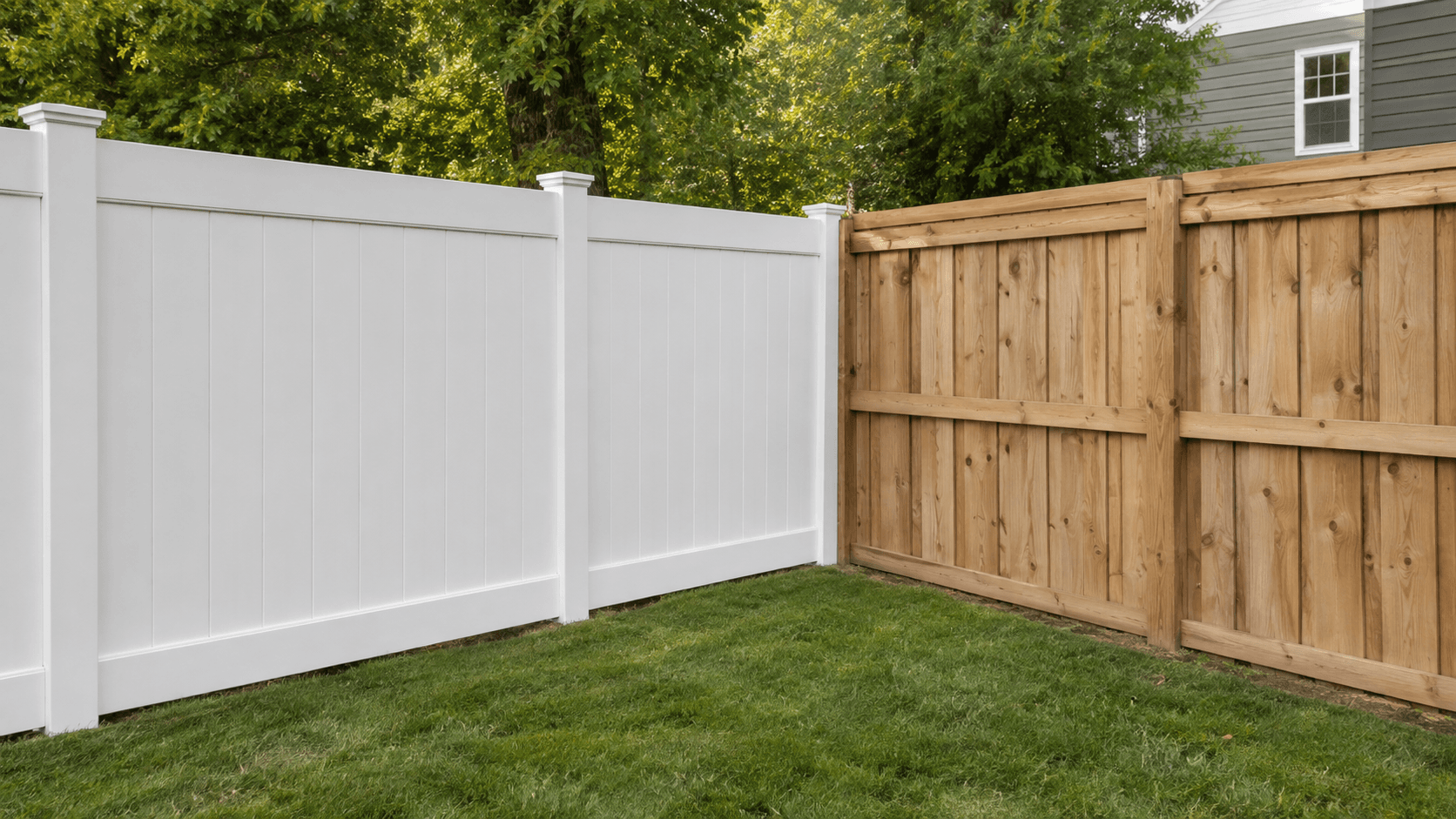
Vinyl vs Wood Fence in Ontario: Cost Comparison Over 20 Years
Wood looks cheaper on day one, but seven rounds of staining change the story. We run the honest 20 year numbers on a 100 foot fence.
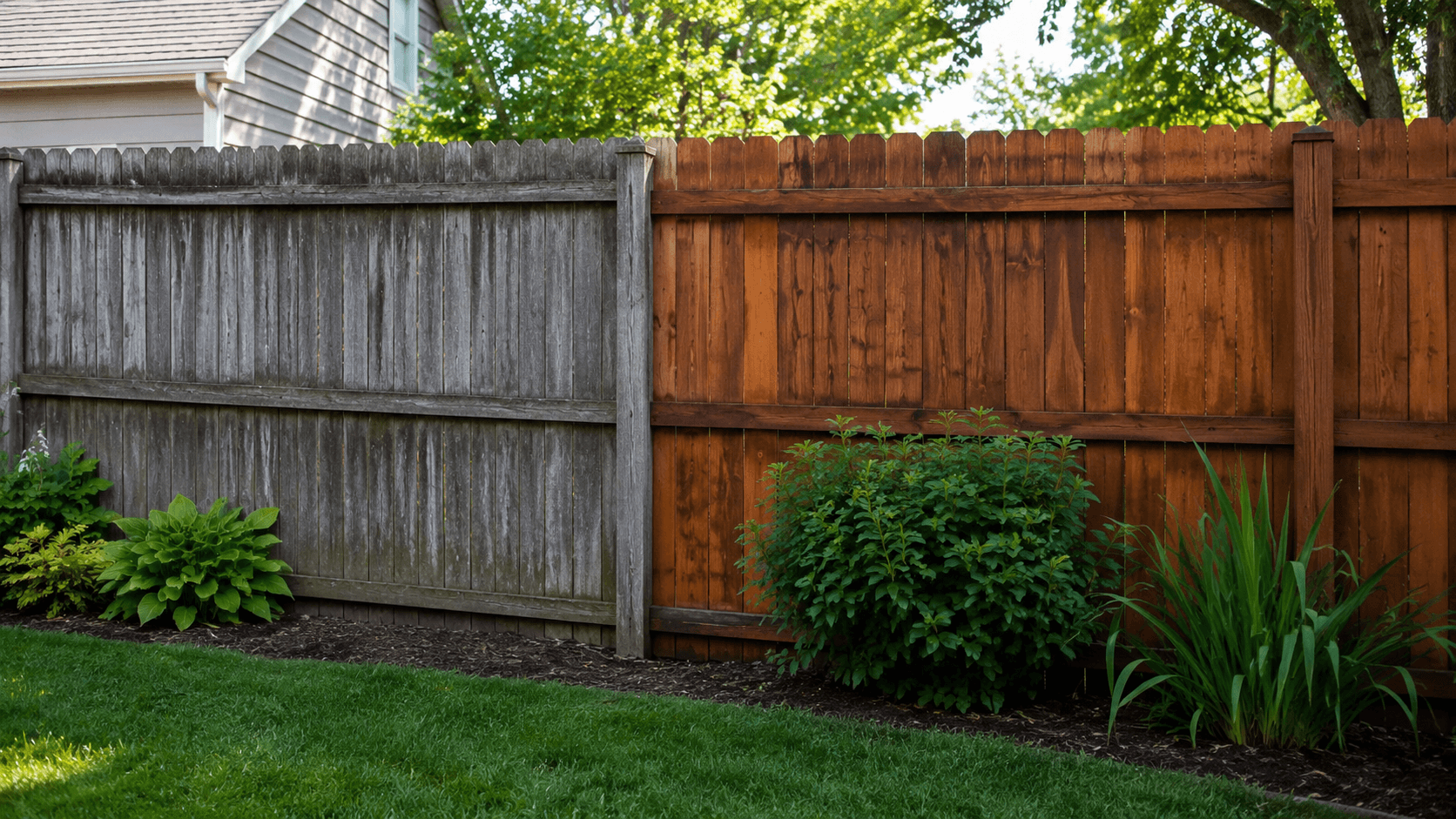
How Long Does a Fence Last in Ontario? Lifespan by Material
Pressure-treated pine gives you 15 to 20 years, vinyl can pass 35. Here is what decides whether your fence hits the high end of the range.
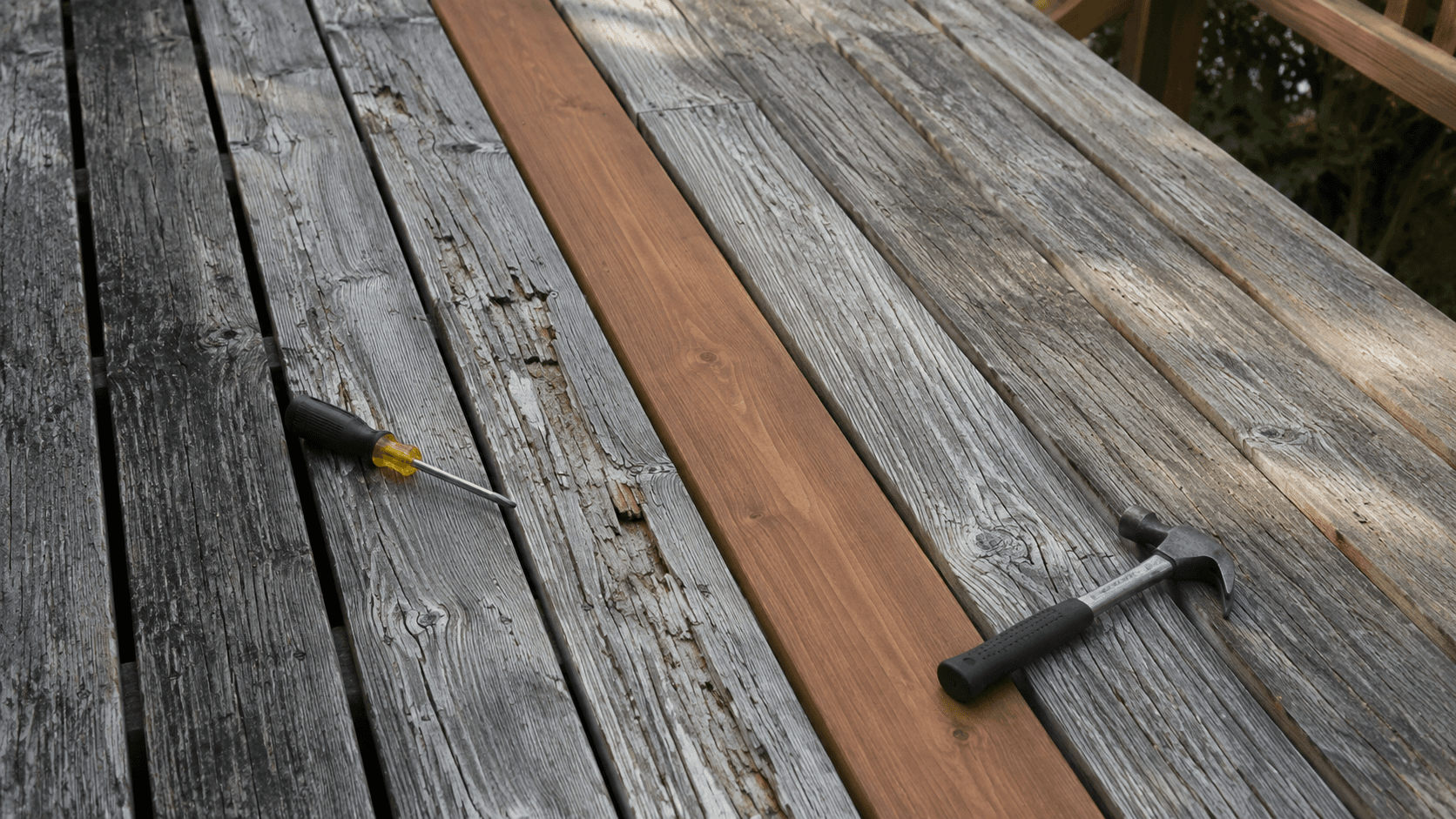
Repair or Replace Your Deck? Warning Signs to Check
A soft board or a wobbly railing does not always mean you need a new deck. Walk through our six-point inspection and learn which problems cost a few hundred dollars to fix and which mean it is time to rebuild.