Flower Bed Design Made Simple: How to Plan Beds That Look Good All Season
The difference between a bed that blooms for two weeks and one that looks alive from May to October is planning, not money. A simple method: shape, three layers, bloom timing, and colour.
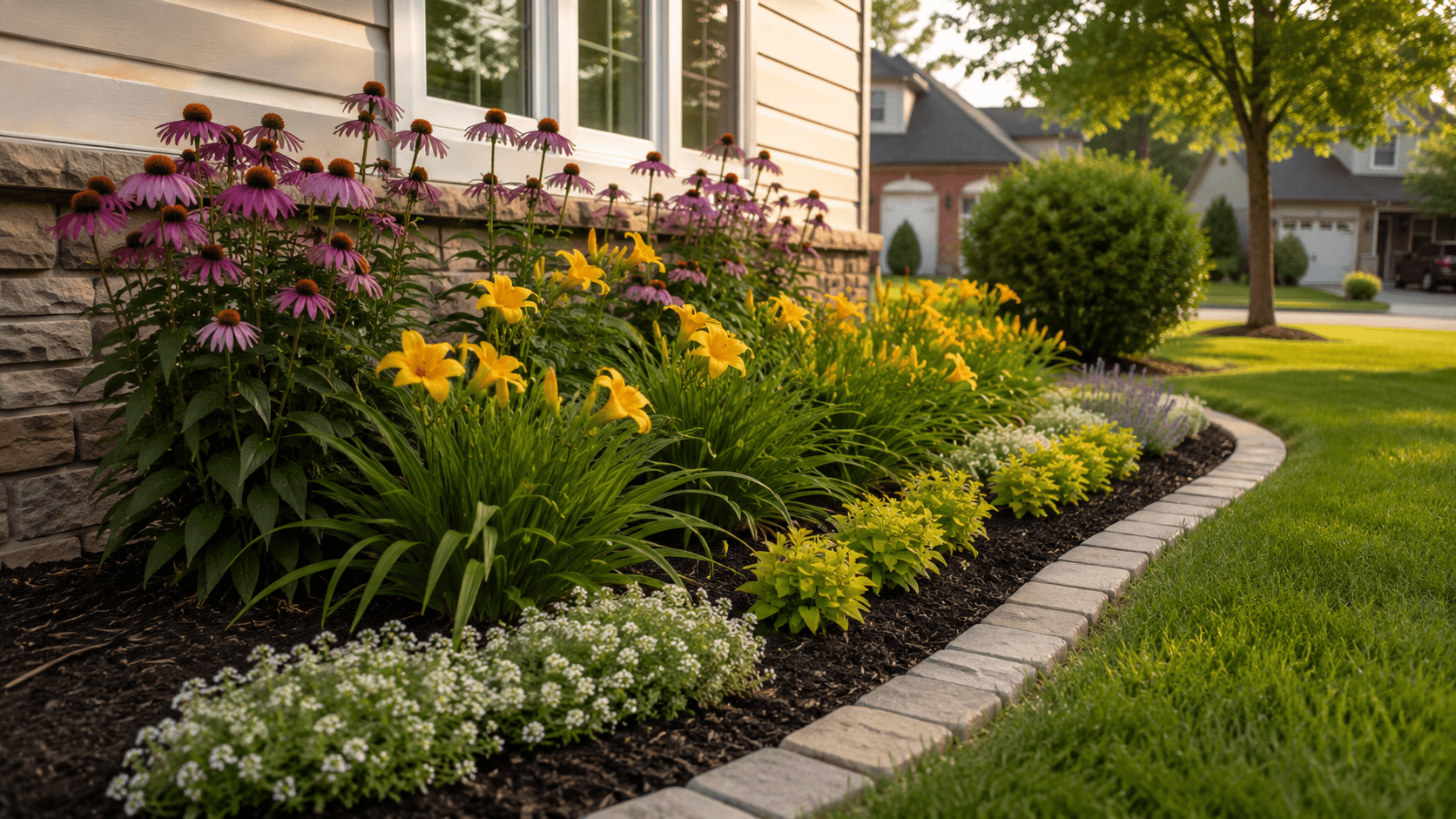
Everyone has seen it: a flower bed that looks amazing for two weeks in June and empty for the rest of the year. The difference between that bed and one that looks alive from May to October is not money or luck — it is planning. Here is the simple method we use.
Start With the Shape, Not the Plants
Before you think about flowers, draw the bed itself. Gentle curves look natural and are easy to mow around. Make the bed deeper than feels comfortable — at least 1 to 1.5 metres. Narrow strips along a wall always end up looking thin, because plants need room to layer.
Think in Three Layers
A bed that looks "full" is really just three heights working together:
- Back layer: tall plants — ornamental grasses, coneflowers, tall phlox.
- Middle layer: the main show — daylilies, hostas, salvia, peonies.
- Front edge: low, tidy plants — catmint, coral bells, creeping thyme.
Against a fence or wall, tall plants go at the back. In an island bed you see from all sides, tall plants go in the middle.
Plan for Bloom Time, Not Just Colour
This is the step most people skip. Every plant blooms for a few weeks, so pick plants for different months: spring bulbs and peonies for May–June, daylilies and coneflowers for July–August, sedum and asters for September–October. Now something is always in bloom, and the bed never looks finished or dead.
Keep the Colour Palette Small
Two or three colours repeated through the bed look designed. Ten colours look like a lottery. A safe formula: one main colour, one accent, and lots of green in different textures.
Finish Like a Pro
Edge the bed cleanly, add a thick layer of mulch, and water deeply for the first month. These three finishing steps are half of what makes a professional bed look professional.
Want It Designed and Planted for You?
We design and build flower beds matched to your home, soil, and sunlight — with plants chosen so something blooms all season. See our flower bed creation service or get a free estimate.
Ready to Start Your Project?
Get a free, no-obligation estimate from our experienced team. We serve Oakville, Burlington, Mississauga & surrounding areas.
More Articles
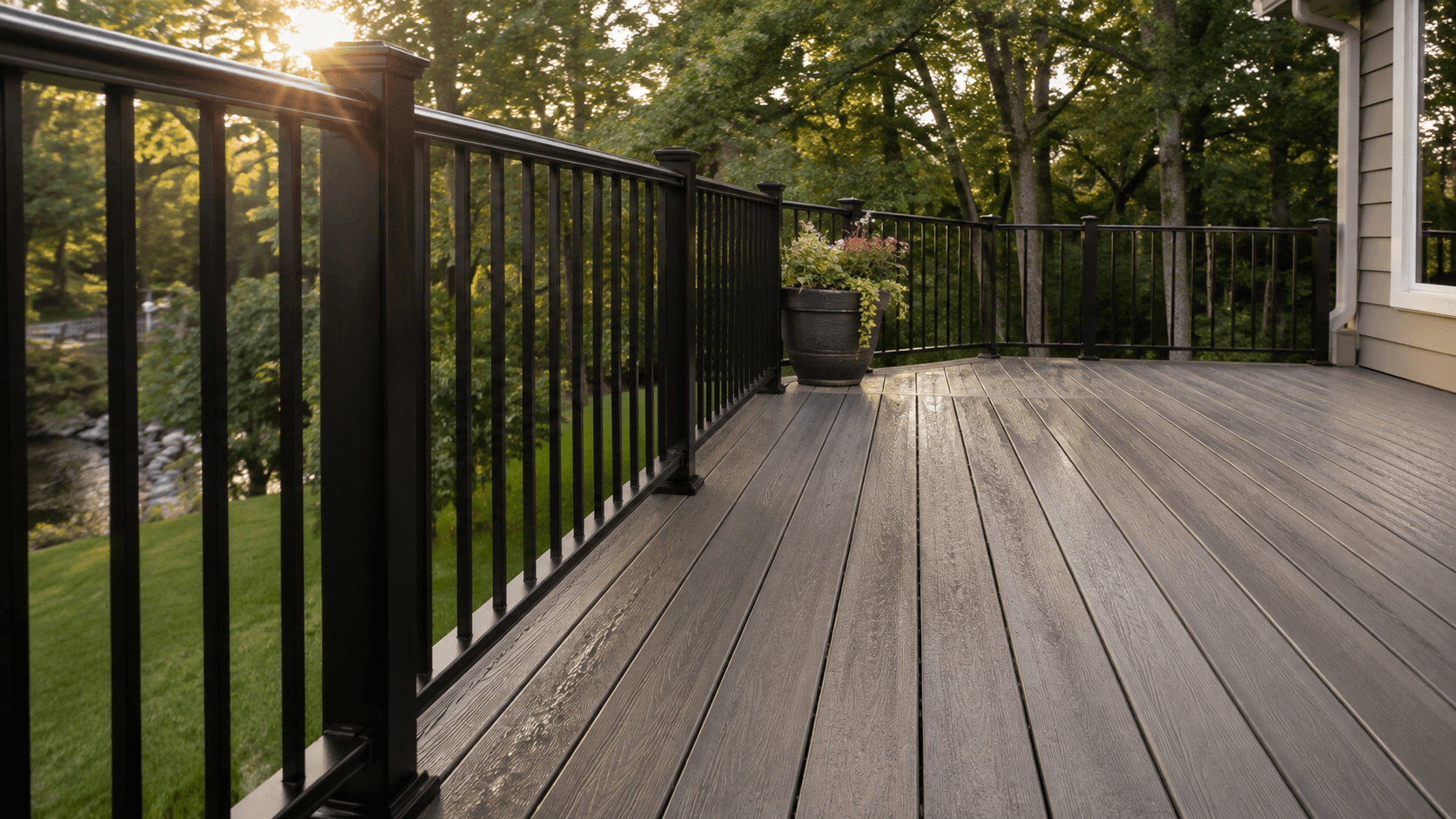
How Long Does a Deck Last? Lifespan of Pressure-Treated, Cedar, and Composite
The same deck can fail at year 8 or thrive at year 20. Here are honest lifespan numbers for pressure-treated, cedar, and composite decks in Ontario, and the habits that decide which side you land on.
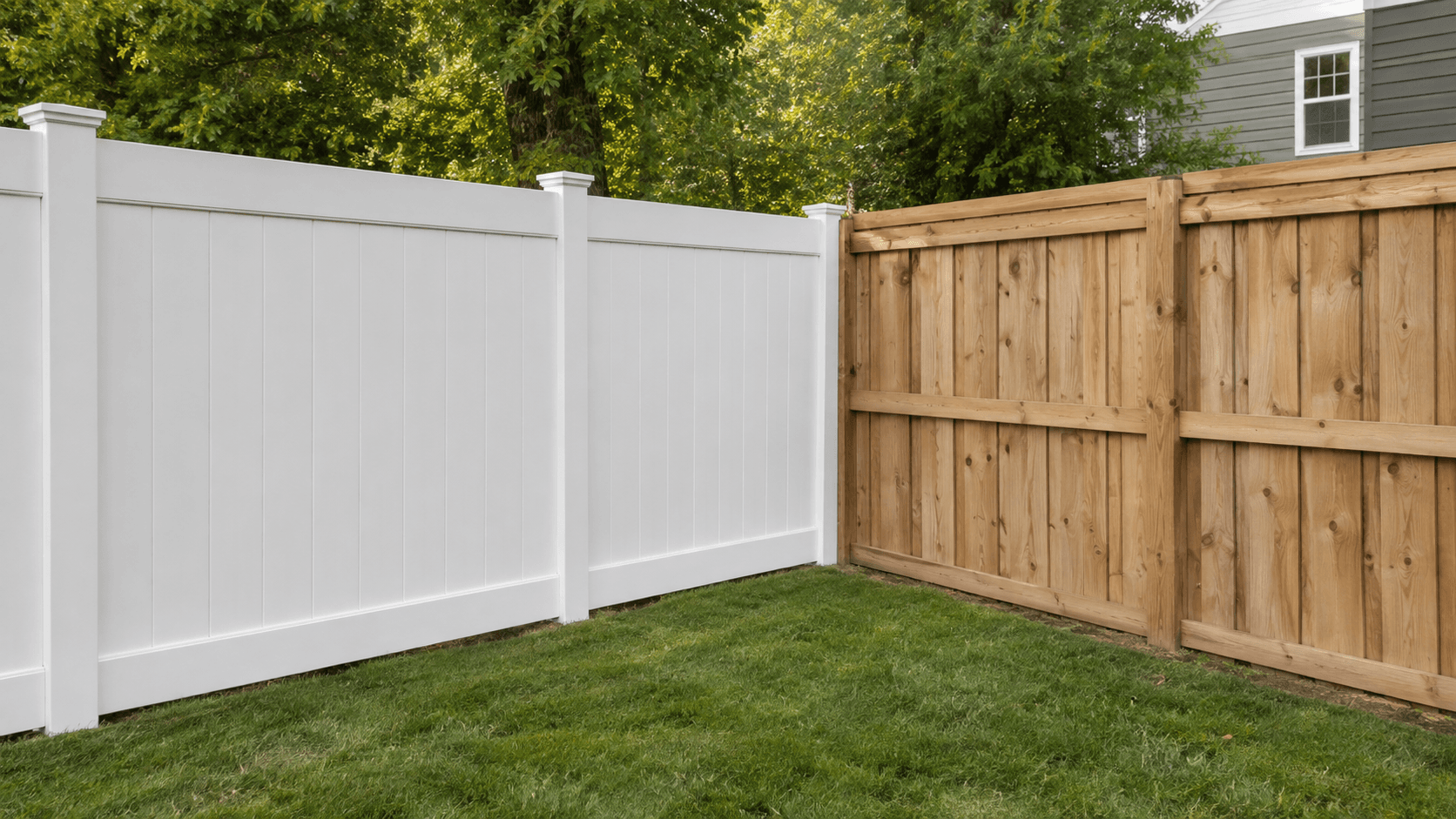
Vinyl vs Wood Fence in Ontario: Cost Comparison Over 20 Years
Wood looks cheaper on day one, but seven rounds of staining change the story. We run the honest 20 year numbers on a 100 foot fence.
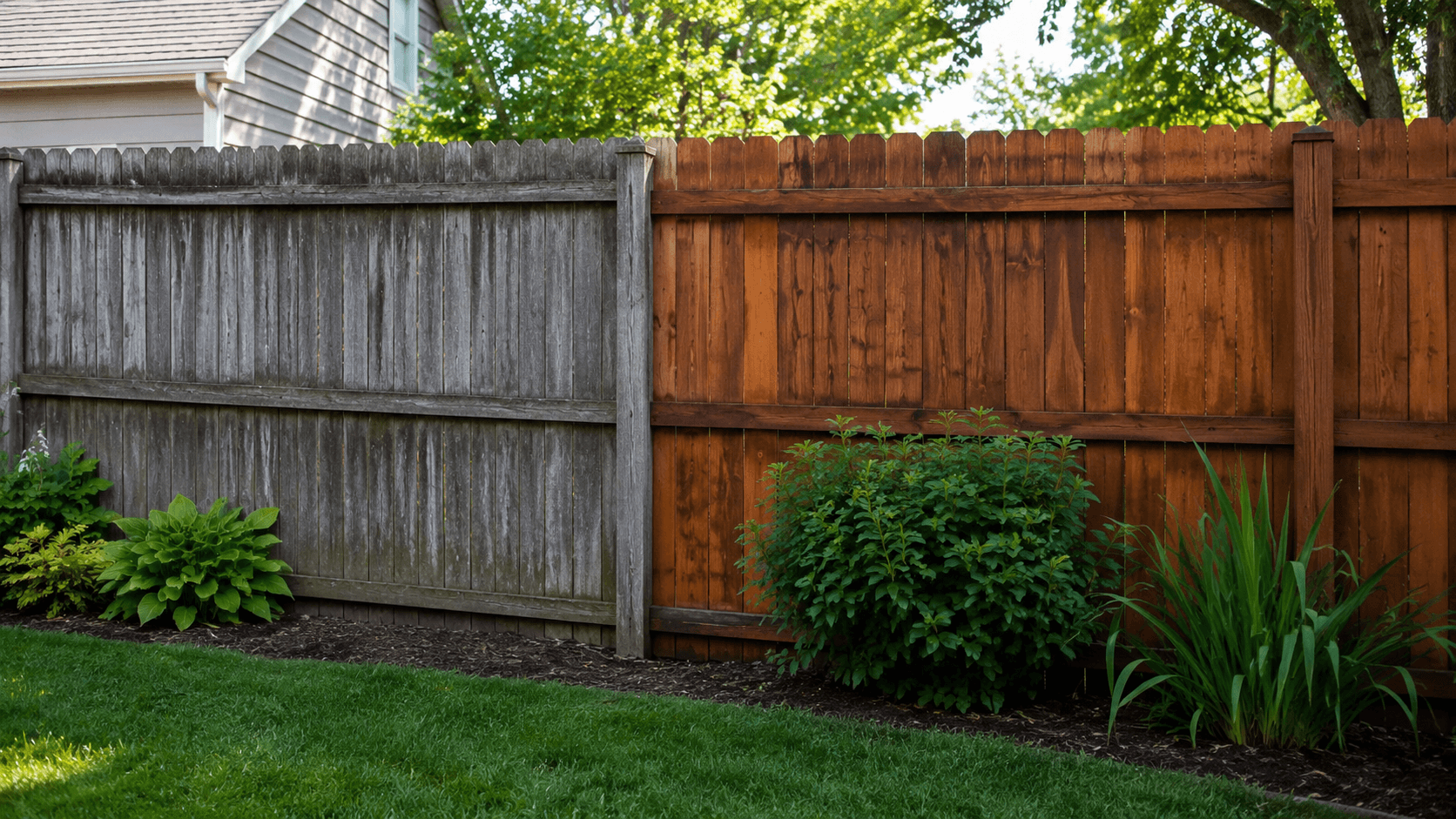
How Long Does a Fence Last in Ontario? Lifespan by Material
Pressure-treated pine gives you 15 to 20 years, vinyl can pass 35. Here is what decides whether your fence hits the high end of the range.