How Long Does a Fence Last in Ontario? Lifespan by Material
Pressure-treated pine gives you 15 to 20 years, vinyl can pass 35. Here is what decides whether your fence hits the high end of the range.
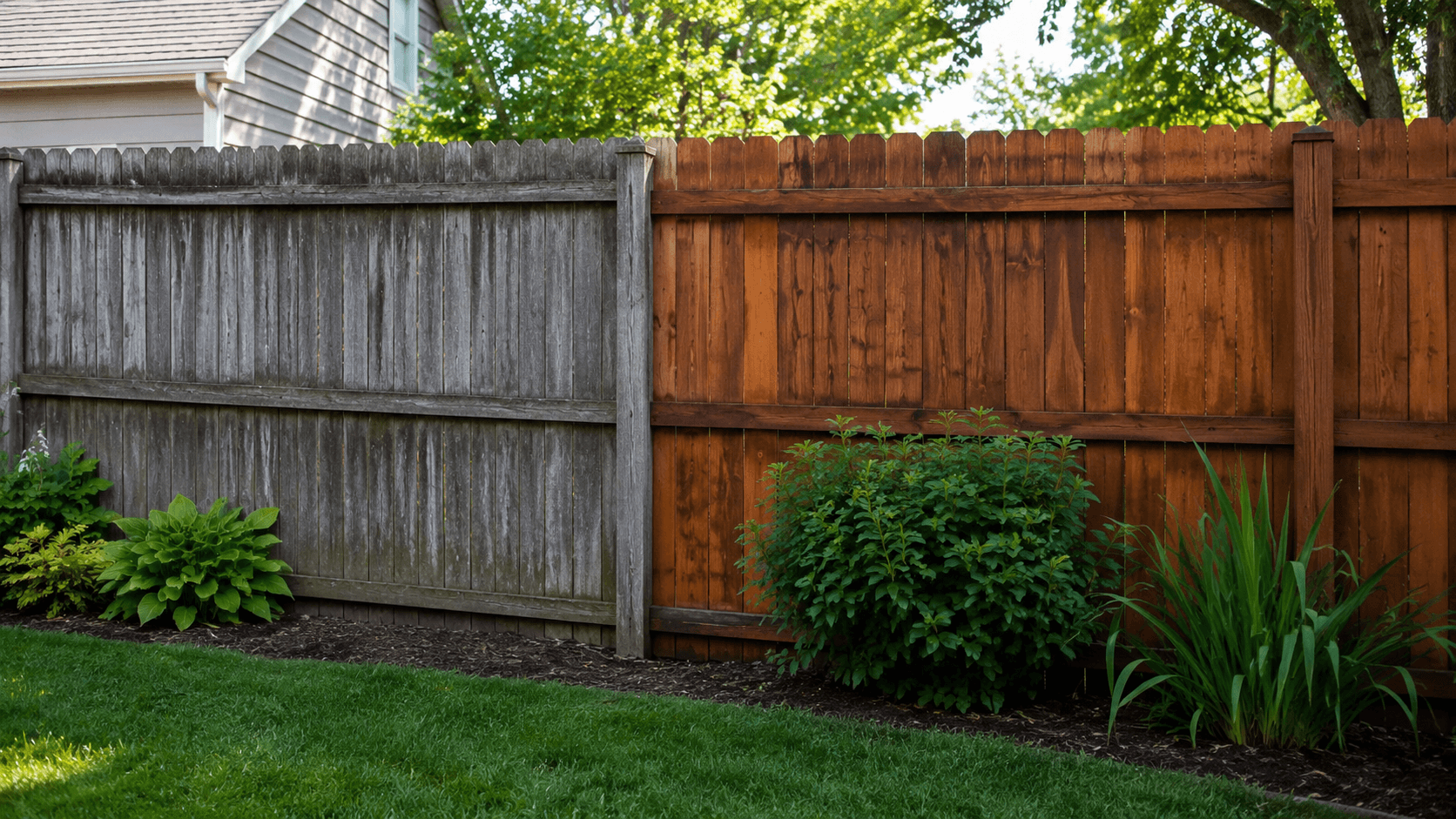
The Short Answer, Material by Material
You are about to spend thousands on a fence, so the fair first question is how long it will stand. In southern Ontario, with freeze-thaw winters and humid summers, here is what we actually see on jobs across Oakville, Burlington and the surrounding area:
- Pressure-treated pine: about 15 to 20 years. The treatment fights rot, but ground moisture and sun still win in the end.
- Cedar: 15 to 25 years with care. Cedar's natural oils resist decay and insects, which is why the Western Red Cedar Lumber Association calls it extremely long lasting. Skip the stain and it ages much faster.
- Vinyl: 25 to 35+ years. It cannot rot and never needs staining. Its enemies are hard impacts and brittle cold snaps.
- Chain-link: 25+ years. Galvanized steel shrugs off our weather, and a vinyl coating stretches it further.
- Aluminum and steel: 30+ years. Powder-coated metal often outlives the roof on the house.
Why Ontario Is Hard on Fences
Our climate attacks a fence from three directions at once. Freeze-thaw cycles heave shallow footings, because frost pushes about 4 feet (1.2 m) into the ground and lifts anything set above that line. Humid summers keep wood damp and feed rot. Open winter winds rock loose posts a little more with every storm. Material matters, but so does the build. A fence with every post set below the frost line simply lasts longer, whatever it is made of. The same fence panel can last 10 years on a bad frame or 25 on a good one.
What Shortens a Fence's Life
- Ground contact. Boards touching soil or mulch wick water all year and rot from the bottom up.
- No stain or sealer. Bare wood greys, cracks and drinks rain. This is the fastest way to lose 5 or more years.
- Poor drainage. A fence line where water pools after every rain rots its posts years early.
- Shallow posts. Footings above the frost line heave, lean and slowly tear the frame apart.
What Adds Years
- Stain or seal every 2 to 3 years. The single best habit a wood fence owner can have.
- Keep soil and mulch off the boards. Leave a small gap under the fence so the wood can dry out.
- Fix leans early. One loose post strains its neighbours. Small repairs stop the domino run.
- Wash it each spring. Mild soap and a soft brush. Skip aggressive pressure washing that tears up the grain.
The full care routine is in our fence maintenance guide. Still choosing a material? Our comparison of the best fence materials for Ontario breaks down the costs side by side.
Quick Facts Worth Saving
- Average wood fence life in Ontario: about 15 to 20 years. Cedar with faithful care can reach 25.
- Staining every 2 to 3 years can add 5 to 10 years to any wood fence.
- Posts fail first. Most fences we replace are really four or five dead posts dragging good boards down with them.
- Past year 15 to 20, repairs start chasing each other. That is usually the point where replacement money is better spent.
Want a Fence That Hits the High End?
Lifespan is half material and half workmanship. Our fence installation crews set every post below frost depth and build for the storm, not the showroom. Get a quick number from the online cost calculator, then book a free estimate and we will help you pick a fence that outlasts its warranty by years.
Ready to Start Your Project?
Get a free, no-obligation estimate from our experienced team. We serve Oakville, Burlington, Mississauga & surrounding areas.
More Articles
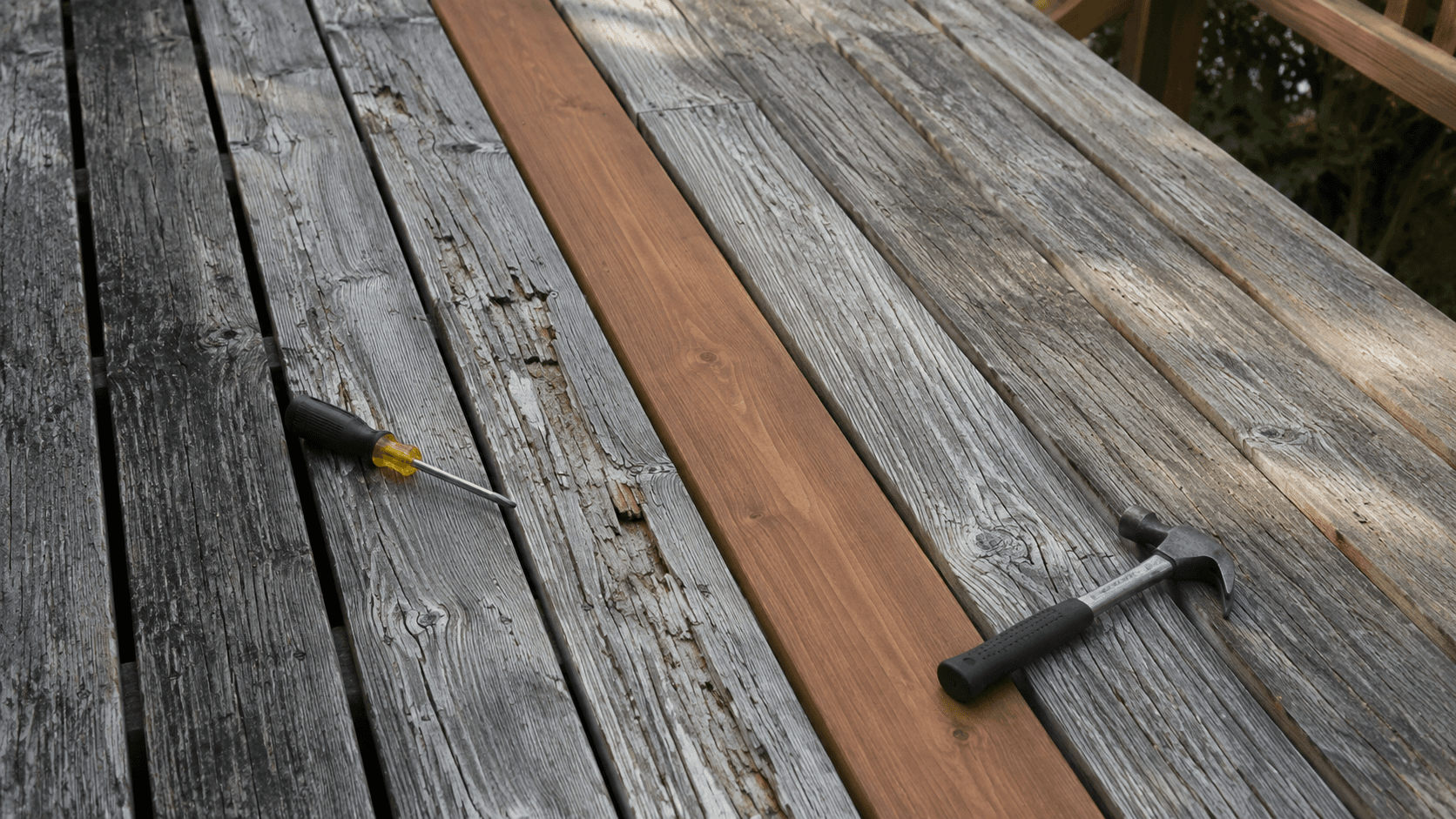
Repair or Replace Your Deck? Warning Signs to Check
A soft board or a wobbly railing does not always mean you need a new deck. Walk through our six-point inspection and learn which problems cost a few hundred dollars to fix and which mean it is time to rebuild.
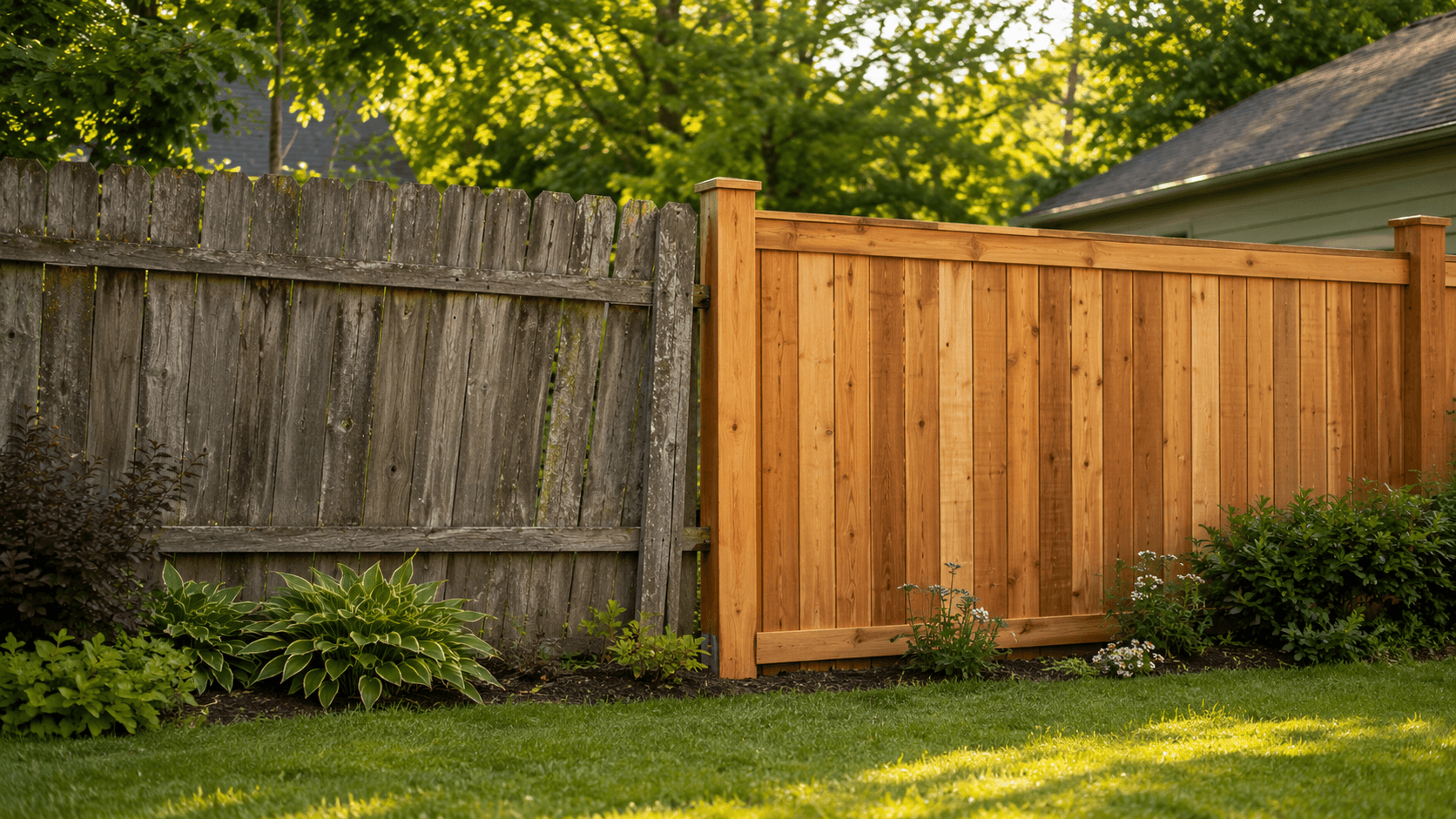
Fence Post Repair vs Replacement: Options and Costs
One leaning post does not mean a new fence. See what each fix really costs per post in 2026 and when replacement is the smarter spend.
Fall Yard Cleanup Checklist: Preparing Your Landscape for an Ontario Winter
Snow mold, burst pipes, and rabbit chewed trees all trace back to fall jobs that got skipped. Here is the exact order we follow, with dates that work for Ontario.