Why Your Backyard Floods: Drainage Problems, Fixes, and Costs
Water that sits for more than 24 hours is telling you something. Here are the warning signs, why clay soil is usually to blame, and what real fixes cost in 2026.
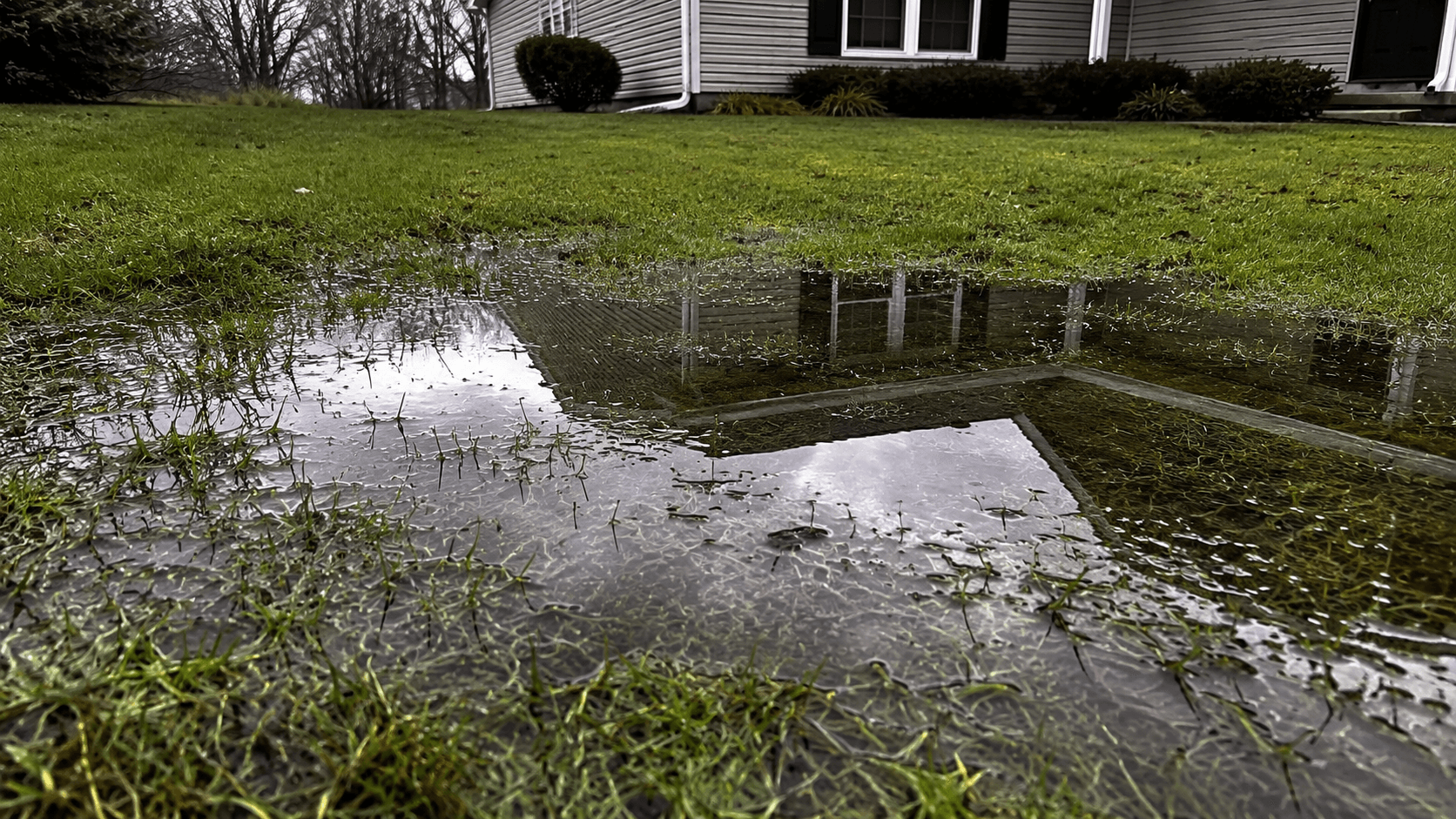
Your Backyard Should Not Be a Pond
It rains on Tuesday. On Thursday your lawn still squishes underfoot. Every spring the same corner floods, and every winter it turns into a skating rink. If that sounds familiar, your yard has a drainage problem, and it will not fix itself.
Here are the signs we look for on every drainage call in Oakville, Burlington and the surrounding area:
- Standing water for more than 24 hours after a normal rain.
- A mushy lawn that holds footprints or dies off in patches.
- Ice sheets in winter exactly where water pooled in the fall.
- Damp basement corners or a musty smell after storms.
- Mosquitoes breeding in the same wet spot all summer.
Blame the Clay
Most of Halton Region sits on heavy clay soil. Clay particles are tiny and pack together tightly, so water moves through them very slowly. Sandy soil can absorb 50 mm of rain in a few hours. Dense clay can need days. Add a flat lot, runoff from a neighbouring yard, and downspouts dumping right at the wall, and you get a backyard that never fully dries.
Winter makes it worse. Water trapped in clay freezes and expands, which heaves patios and fence posts. Then the March melt arrives faster than frozen ground can absorb it, and the whole yard floods at once. That is why drainage calls spike every spring.
Common Fixes and What They Cost in 2026
- Downspout extensions: $100 to $500. The cheapest fix and often the most effective. Roof water should land at least 2 metres from the foundation.
- Regrading a low area: $1,500 to $5,000. We reshape the soil so water flows away from the house toward a proper outlet.
- French drain: $2,500 to $7,000. A gravel trench with a perforated pipe that collects water and carries it away. Ideal for soggy strips along fences and patios.
- Catch basin with buried pipe: $1,500 to $4,000. A collection point in the lowest spot, piped to a safe discharge area.
Many yards need a combination, and most complete solutions we build land between $2,000 and $8,000. That is a fraction of what one flooded basement costs to repair.
The One Thing You Should Never Do
Do not pile soil along the fence line to push water onto your neighbour's lot. The Town of Oakville prohibits raising grades or extending downspouts in ways that send water onto neighbouring properties, and Burlington enforces similar rules. That shortcut can bring a bylaw complaint, a soured relationship, and the cost of undoing the work. Water needs a legal path: your own swale, the street, or a proper catch basin.
When to Call a Pro
Try the simple steps first. Extend your downspouts, clean your gutters, and watch where the water goes during the next rain. Take photos while it is raining, because a dry yard in July hides everything. Call a professional when water sits longer than 24 hours, when the basement is getting damp, or when the fix involves digging and pipe. A proper assessment finds the outlet first, then works backward. And remember, any digging in Ontario legally requires free utility locates from Ontario One Call at least 5 business days before the shovel hits the ground.
Ready for a Dry Backyard?
We design and build drainage solutions across Oakville, Burlington and the surrounding area, and we restore the lawn afterward so the yard looks better than before. Get a rough number from our online cost calculator, then book a free estimate. Budgeting a bigger project? Our landscaping cost guide covers the full picture.
Ready to Start Your Project?
Get a free, no-obligation estimate from our experienced team. We serve Oakville, Burlington, Mississauga & surrounding areas.
More Articles
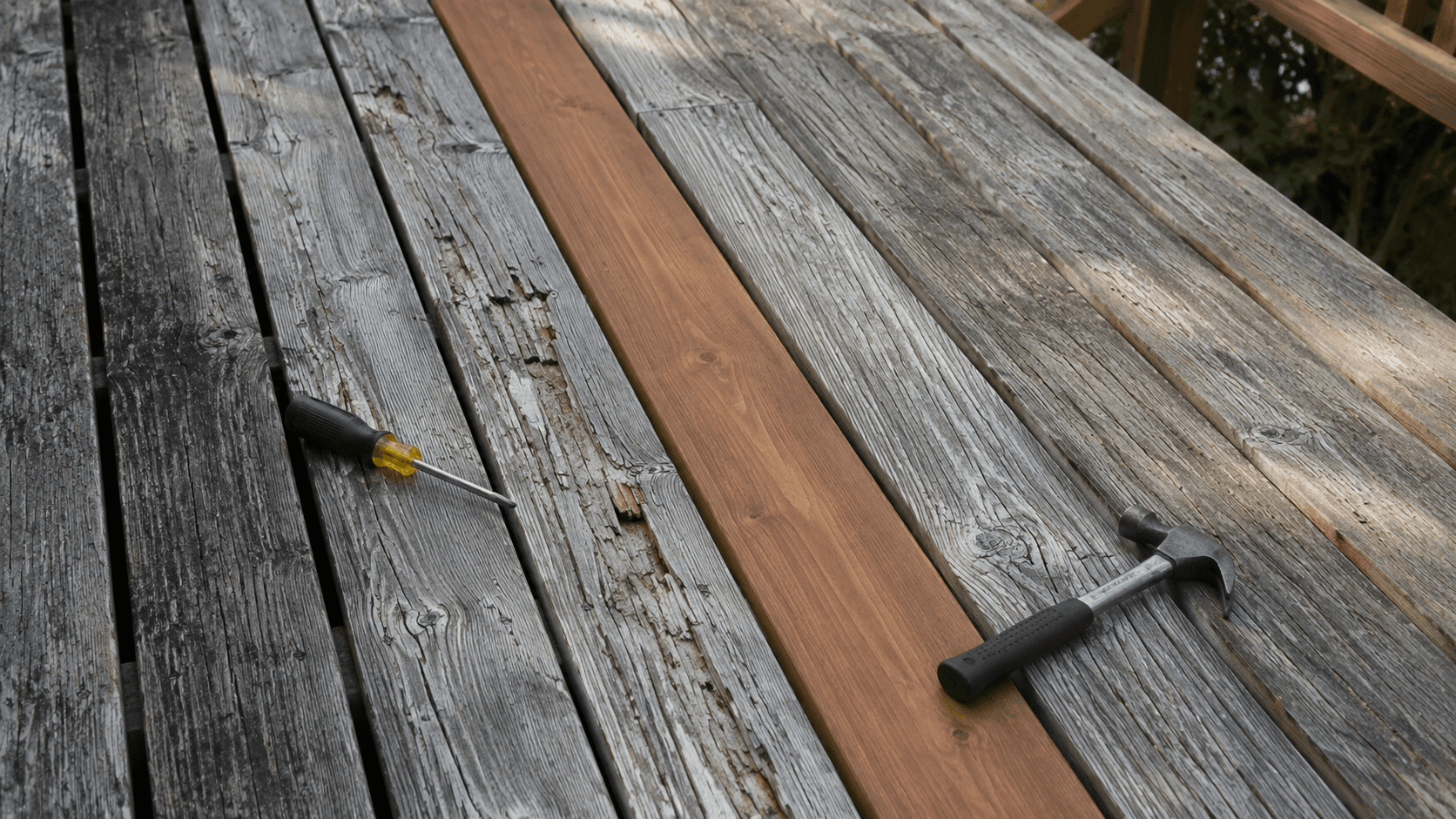
Repair or Replace Your Deck? Warning Signs to Check
A soft board or a wobbly railing does not always mean you need a new deck. Walk through our six-point inspection and learn which problems cost a few hundred dollars to fix and which mean it is time to rebuild.
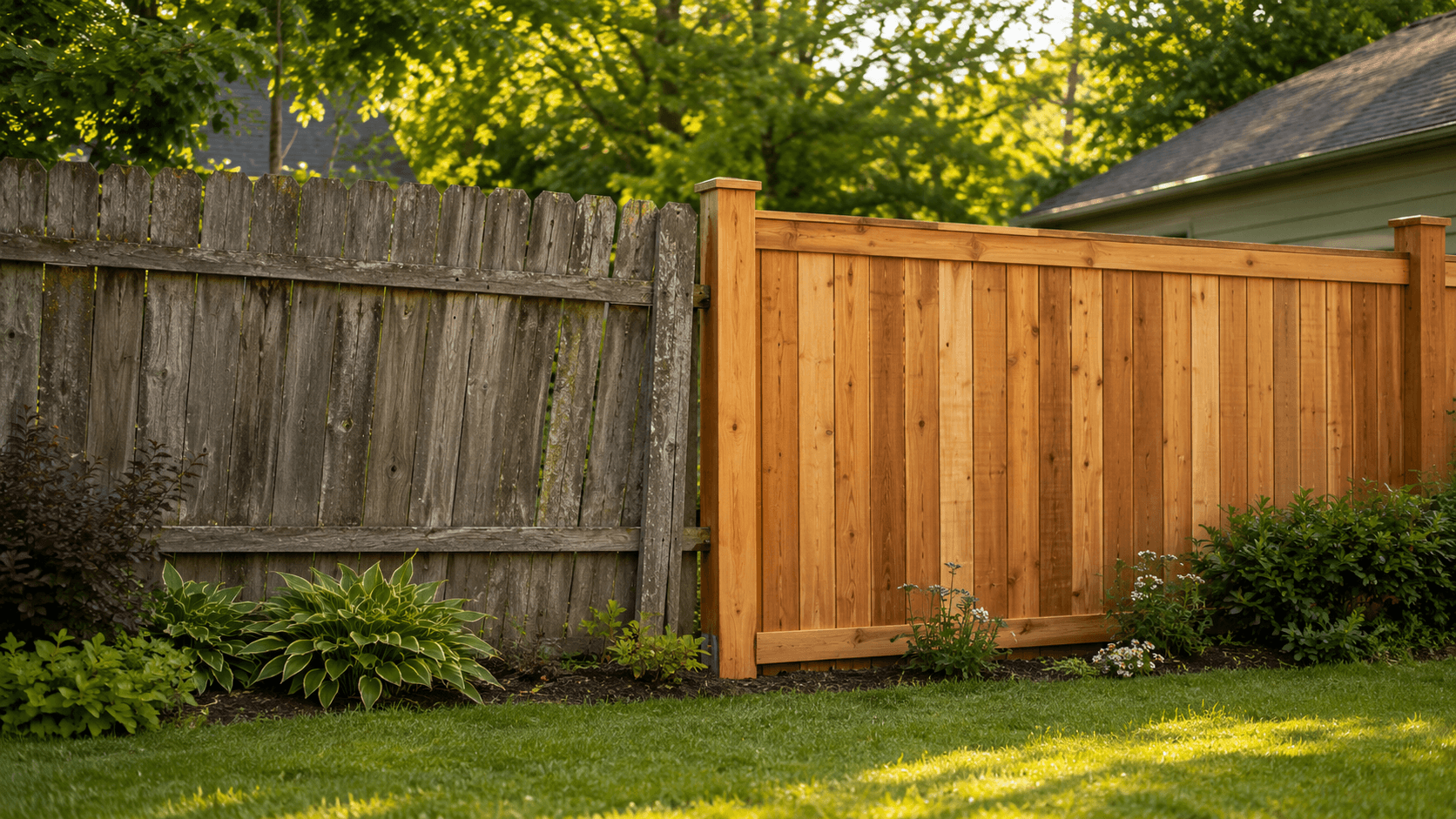
Fence Post Repair vs Replacement: Options and Costs
One leaning post does not mean a new fence. See what each fix really costs per post in 2026 and when replacement is the smarter spend.
Fall Yard Cleanup Checklist: Preparing Your Landscape for an Ontario Winter
Snow mold, burst pipes, and rabbit chewed trees all trace back to fall jobs that got skipped. Here is the exact order we follow, with dates that work for Ontario.