A Beautiful Garden Starts with Lawn Care
A well-maintained lawn is the foundation of a beautiful garden. Learn essential lawn care tips including mowing, watering, aeration, fertilizing, and plant care basics.
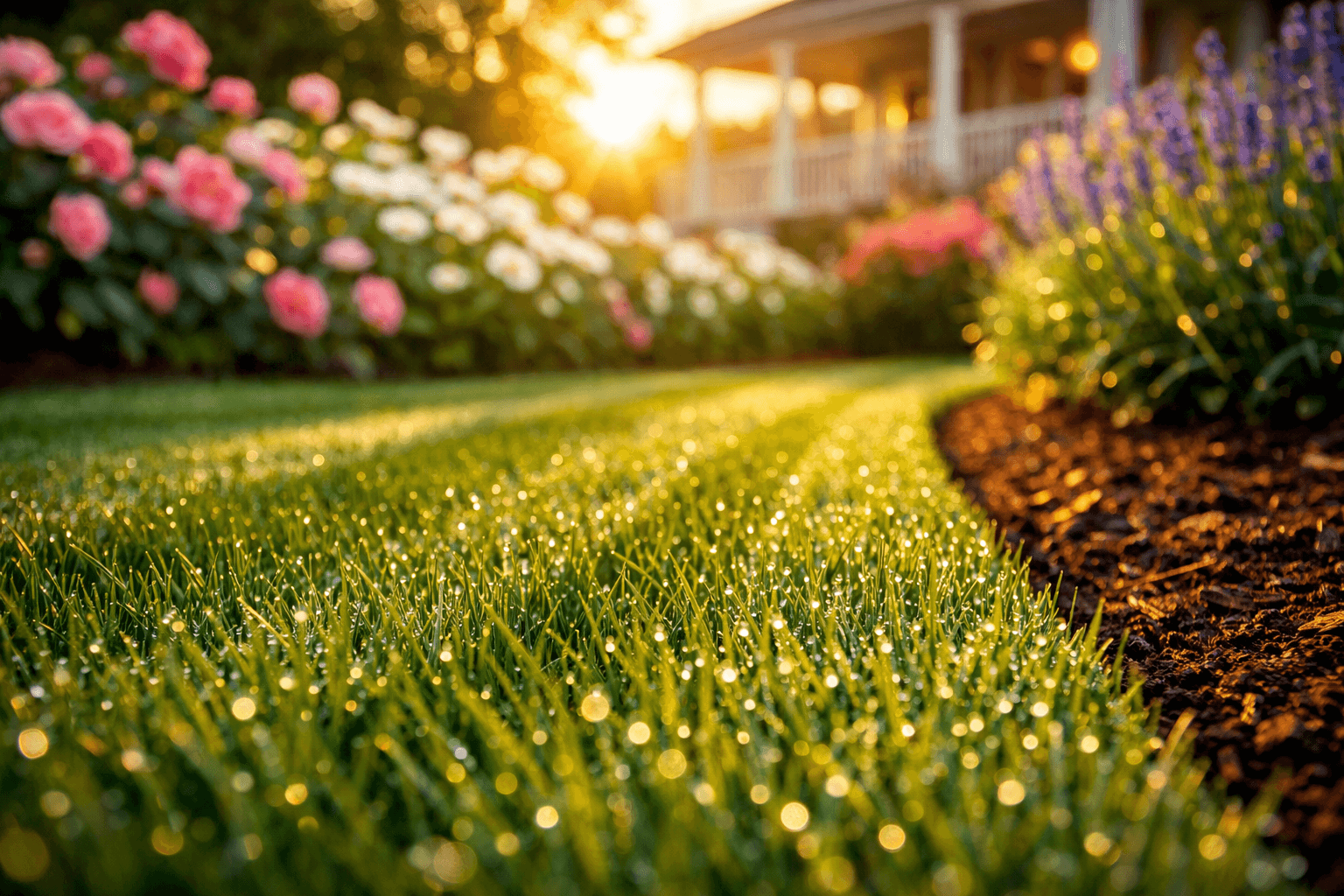
Lawn Care: Tips and Recommendations
A well-maintained lawn demonstrates both aesthetic care and property stewardship. Whether you're a seasoned gardener or just starting out, these fundamentals will help keep your grass fresh and green.
Regular Mowing
Proper mowing is the foundation of lawn health:
- Mow weekly during the growing season
- Maintain a height of 5–7 cm (2–3 inches) — cutting too short weakens roots
- Taller grass shades the soil, reducing water loss and weed growth
- Keep mower blades sharp for clean cuts that heal quickly
Watering
Smart watering makes a big difference:
- Water 2–3 times per week with deep soaking
- Aim for soil penetration of approximately 15 cm (6 inches)
- Water in the morning or evening to prevent rapid evaporation
- Avoid daily light watering, which encourages shallow root systems
Aeration
Aeration improves air, water, and nutrient flow to roots:
- Especially beneficial for dense, compacted soils
- Best done in spring or fall when grass is actively growing
- Use a core aerator for best results — it removes small plugs of soil
- Follow up with overseeding and fertilizing for maximum benefit
Fertilizing
Feed your lawn according to the seasons:
- Spring/Summer: Nitrogen-rich formulas stimulate lush, green growth
- Fall: Phosphorus and potassium formulas strengthen roots before winter
- Apply evenly using a broadcast spreader
- Follow manufacturer's instructions — over-fertilizing can burn your lawn
Weed and Pest Control
Stay ahead of common lawn problems:
- Manual removal is effective for small weed infestations
- Targeted herbicides address larger weed problems
- Insecticides and biological methods combat grubs and nematodes
- A thick, healthy lawn is your best defence against weeds and pests
Mulching
Put grass clippings to work:
- Spread chopped grass clippings across the lawn after mowing
- Retains moisture and keeps soil cooler
- Suppresses weeds naturally
- Enriches soil as clippings decompose
Damage Repair
Fix bare or worn spots promptly:
- Overseeding fills in thin areas with new grass seed
- Sod transplantation provides instant coverage for larger bare patches
- Repair high-traffic areas with a mix of seed and topsoil
Plant Care Basics
Extend your care beyond the lawn to garden plants:
- Water in the morning for best absorption
- Use organic fertilizers for gentle, sustained feeding
- Match plants to light conditions — sun-lovers in sun, shade plants in shade
- Prune regularly to encourage healthy growth and flowering
- Monitor for pests and address issues early
- Mulch garden beds to retain moisture and suppress weeds
A beautiful garden truly starts from the ground up. Master your lawn care, and everything else will follow.
Need professional landscaping help? Contact us for a free consultation.
Ready to Start Your Project?
Get a free, no-obligation estimate from our experienced team. We serve Oakville, Burlington, Mississauga & surrounding areas.
More Articles
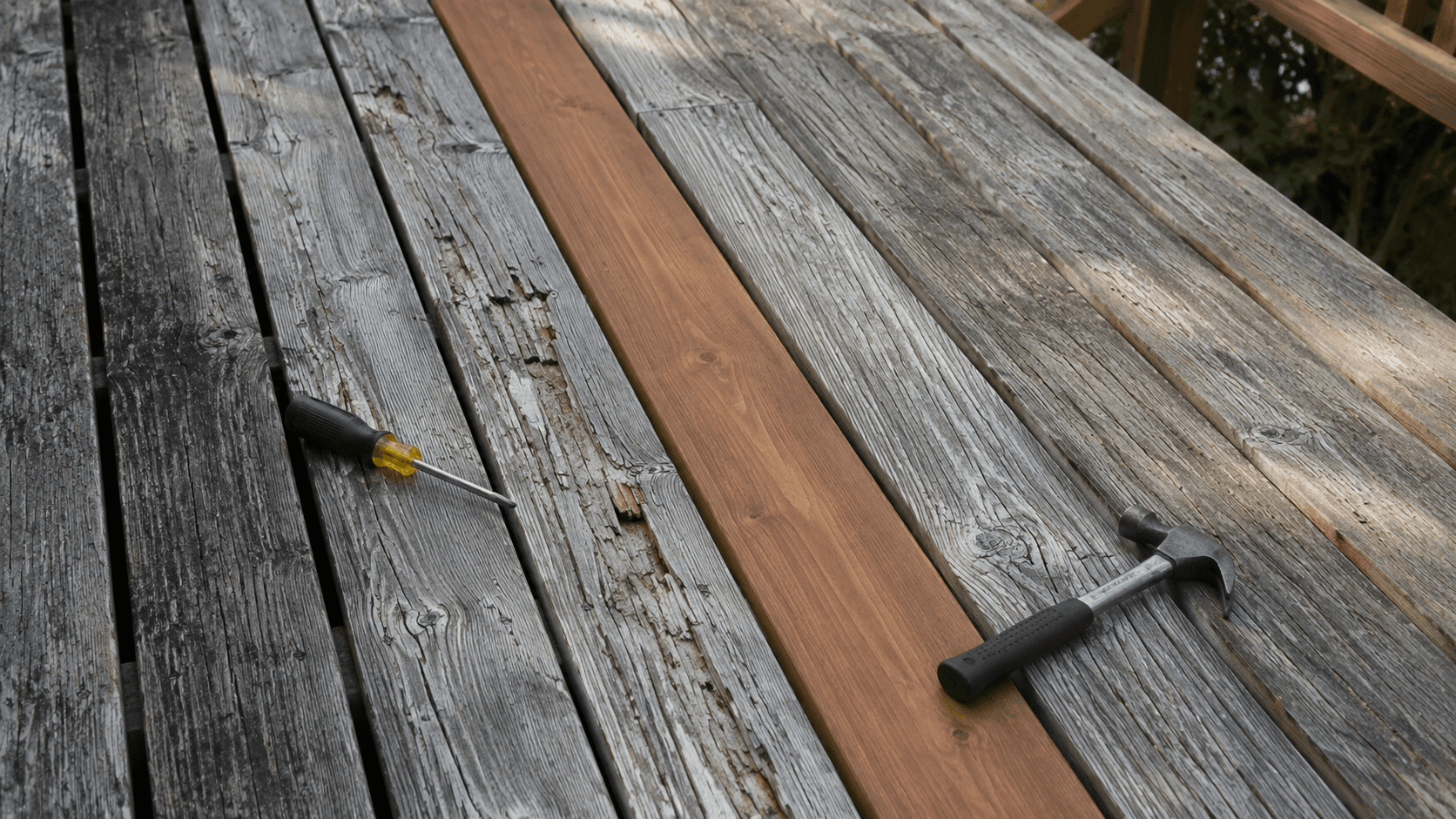
Repair or Replace Your Deck? Warning Signs to Check
A soft board or a wobbly railing does not always mean you need a new deck. Walk through our six-point inspection and learn which problems cost a few hundred dollars to fix and which mean it is time to rebuild.
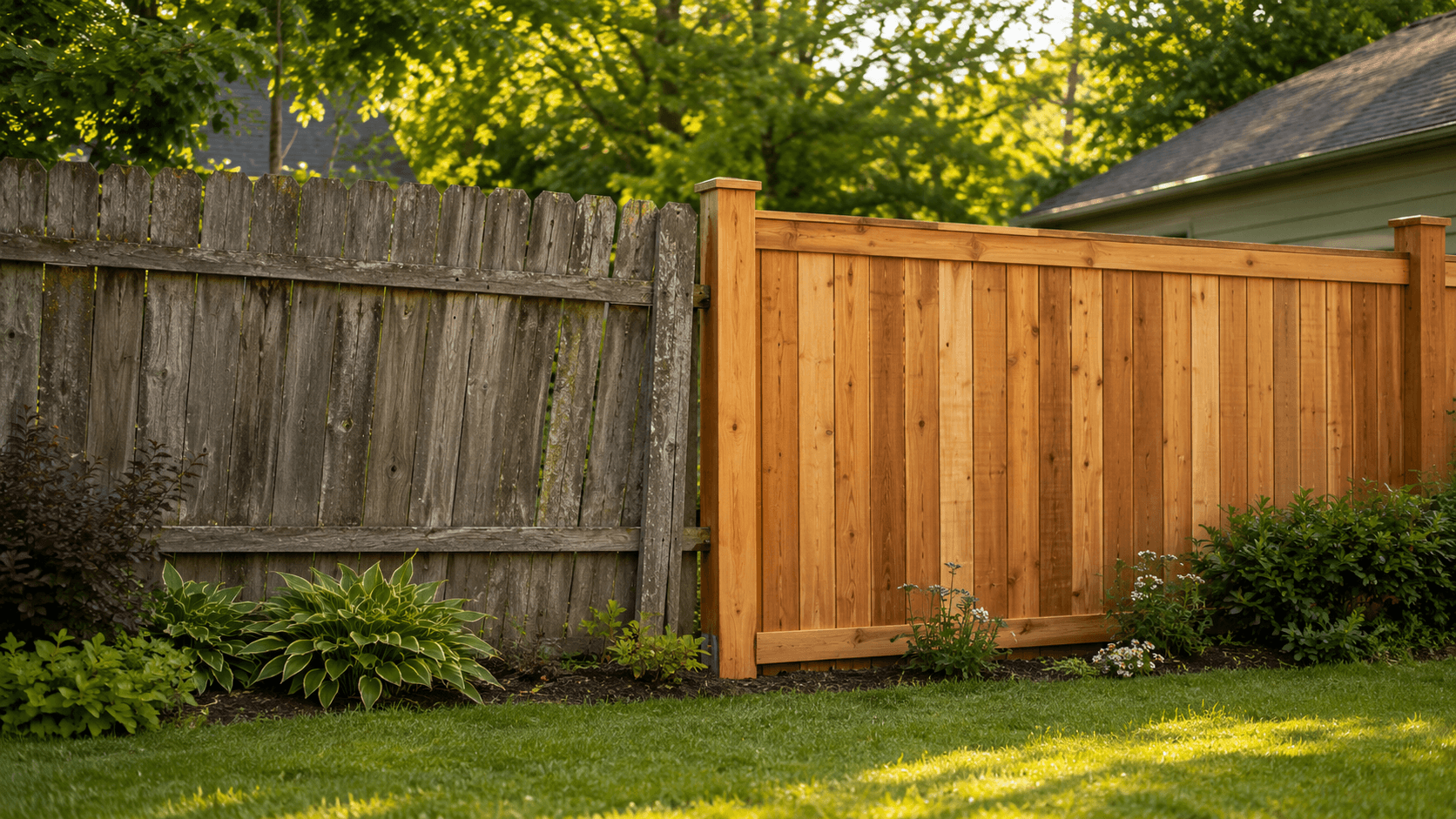
Fence Post Repair vs Replacement: Options and Costs
One leaning post does not mean a new fence. See what each fix really costs per post in 2026 and when replacement is the smarter spend.

Fall Yard Cleanup Checklist: Preparing Your Landscape for an Ontario Winter
Snow mold, burst pipes, and rabbit chewed trees all trace back to fall jobs that got skipped. Here is the exact order we follow, with dates that work for Ontario.